Lucky thing by Tom Baragwanath
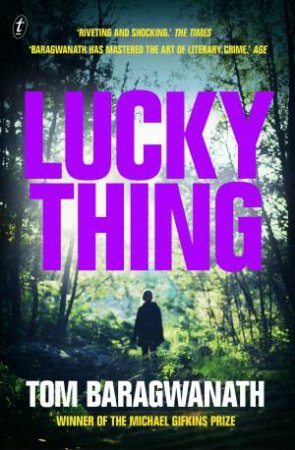
With the character of Lorraine Henry, Baragwanath has created a different kind of detective. Living in small town Masterton, New Zealand, she’s Pakeha (European descent), with family connections in the Maori community. She’s 65 with a dodgy hip, working as a filing clerk in the local police station, but her knowledge of historical files and her alignment with the ‘that other lot’ means that her contribution to crime investigations has become a recognised asset.
Lorraine first made her impact in Baragwanath’s debut novel Paper cage (2023) about missing children, and there are many references to that case in this follow-up story. Not having read the first book, I did feel I was missing historical nuances. This second book is not a true stand-alone, so I would recommend reading Paper cage first; I’m sure it would make for a richer experience. There are all the hallmarks in this second novel that Baragwanath’s brand of crime novel is a rich treasure to enjoy for his insights into characters and motivations, not the twisty thriller for sake of the puzzle, but a thorough exploration of characters and situations, a social commentary on paternalism and discrimination that continues today.
This is not a novel of dramatic action, though it deals with the serious case of a girl found beaten and dumped in the bush after a teenage party, ‘lucky’ to have been discovered before becoming a fatal statistic. Lorraine’s style of investigation means listening and observing quietly, watching for those fleeting facial expressions, and following her instincts in her interactions. It means being patient, creating silent gaps in the conversation for the suspect to unwittingly fill before they realise what they’ve done. Many times Lorraine has to subtly restrain her over-eager police offsider, to let people unconsciously reveal their concerns. It’s a community full of secrets; Lorraine knows the background to some of them, and her approach is to carefully bring the relevant things to light, and to let some sleeping dogs lie.
In the end the crimes are solved, perpetrators are inevitably brought to justice, but the reader knows that there are still secrets not revealed. It makes for the possibility of another Lorraine Henry story, another intelligent slow-burning detective novel that will keep the reader enthralled until its conclusion.
Themes: Murder, Maori community, Secrets, Detective story, Vengeance.
Helen Eddy